 iSAYSO
Three Bird Flu Detections, Three Scavengers — And a Pattern Worth Noticing
Three Bird Flu Detections, Three Scavengers — And a Pattern Worth Noticing
BY NIGEL GRAY INDEPENDENT INVESTIGATOR 21 AUGUST 2026
Over the past month, New Zealand has reported three separate detections of H5 influenza in wild birds — all within the Wellington region. On paper, these appear as isolated incidents. But when you look at the species involved, a very clear ecological pattern emerges.
They are all scavengers.
Nigel’s Substack is a reader-supported publication. To receive new posts and support my work, consider becoming a free or paid subscriber.

Not flocking birds.
Not poultry.
Not waterfowl.
Not species that typically drive influenza outbreaks.
Three solitary scavengers, each with a diet that exposes them to environmental material other birds never touch.
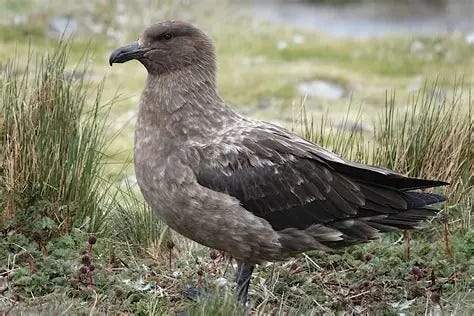
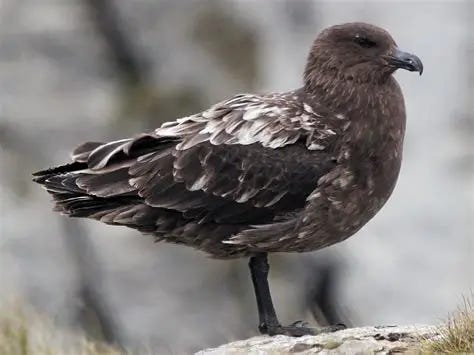
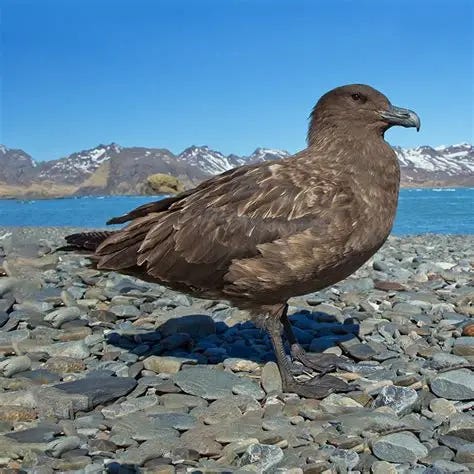
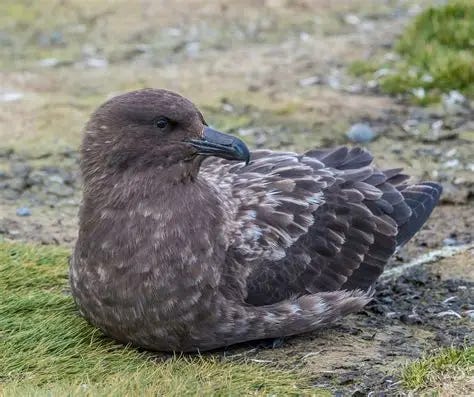
Case One: Brown Skua — Petone Beach
A coastal opportunist.
Skua feed on carrion, fish waste, dead seabirds, and anything washed ashore.
They are classic coastal scavengers, often ingesting decomposing material.
 |
 |
 |
 |
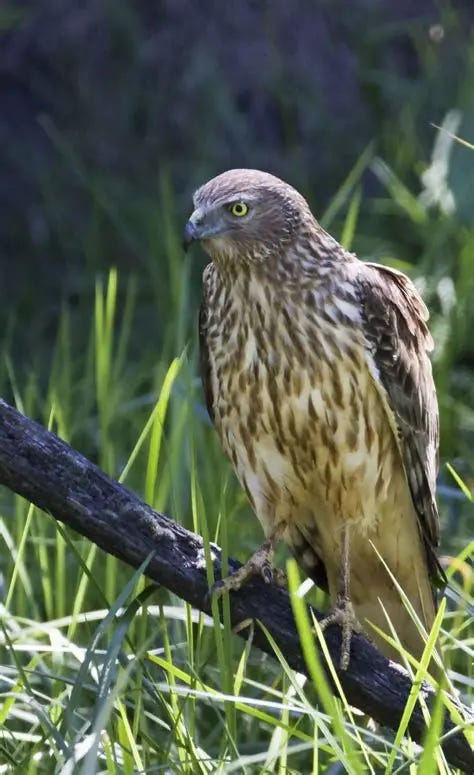
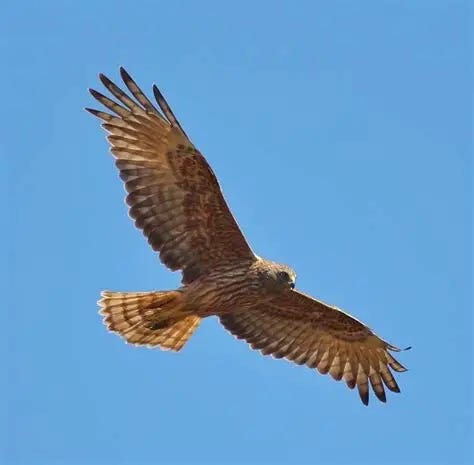
Case Two: Swamp Harrier (Kāhu) — Wairarapa
A terrestrial scavenger.
Harriers routinely feed on carcasses, roadkill, and dying animals.
They are exposed to secondary ingestion pathways that most birds avoid.
 |
 |
 |
 |
Case Three: Northern Giant Petrel — Cape Palliser
One of the most extreme scavengers in the seabird world.
Giant petrels consume dead seals, whales, penguins, fish waste, and decomposing marine life.
They are apex carrion specialists.
Three species, one behavioural niche
This is the part worth paying attention to.
All three detections involve:
solitary birds
scavenging species
individuals that ingest decomposing material
species known to pick up environmental fragments
species that often show low viral loads when exposed to contaminated carrion rather than active infection
This pattern is not typical of a natural H5N1 incursion spreading through bird populations.
It is typical of environmental exposure.
Not infection.
Exposure.
There’s a difference.
Why scavengers matter
Scavengers are sentinel species.
They reveal what is present in the environment — not necessarily what is circulating among birds.
When scavengers test positive for influenza, especially at low viral loads, it can indicate:
ingestion of contaminated carrion
exposure to degraded viral fragments
environmental contamination
trophic‑pathway transfer
non‑avian sources
partial RNA detection rather than active infection
This is well‑established in wildlife epidemiology.
It doesn’t prove anything on its own.
But it does raise a scientifically valid question:
Are these detections showing active infection — or environmental exposure?
That distinction matters.
A pattern worth watching
Three scavengers.
Three solitary birds.
Three detections in the same region.
Three species with diets that expose them to environmental material.
Whatever the final explanation turns out to be, the ecological pattern is already clear — and it deserves attention.