 iSAYSO
THE TE HENGA WETLAND: WHAT THE PUBLIC DESERVES TO KNOW
THE TE HENGA WETLAND: WHAT THE PUBLIC DESERVES TO KNOW
BY NIGEL GRAY INDEPENDENT INVESTIGATOR 16 AUGUST 2026
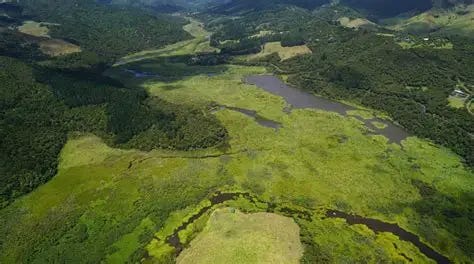
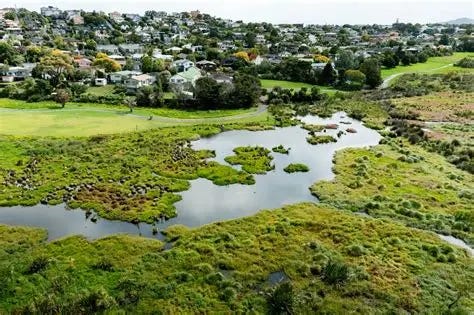
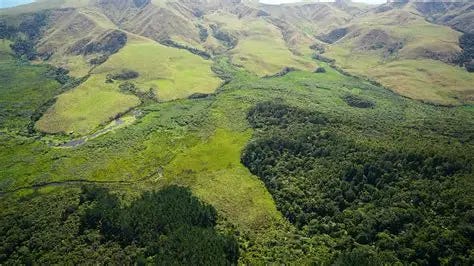
Te Henga is one of Auckland’s most fragile ecological treasures — a critically endangered wetland system that shelters matuku‑hūrepo, pūweto, mioweka, kotoreke, pekapeka‑tou‑roa, tuna, kōkopu, koura, and the last intact Raupō and Machaerina ecosystems in the region.
 |
The glyphosate operation at Te Henga was authorised by Auckland Council under a ‘Permitted Activity Notice’ — a fast‑track process normally used for minor, low‑risk works.
The public was told this was a “permitted activity.”
The documents now show otherwise.
WHAT THE OFFICIAL DOCUMENTS REVEAL
Every piece of evidence — including Auckland Council’s own internal enforcement memo, the Parliamentary Commissioner’s letter, and Ministry for the Environment correspondence — confirms the same thing:
The spraying was approved without checking the rules that actually govern agrichemical use, ecological protection, or threatened species.
This is not speculation.
This is not allegation.
This is their own documentation.
1. The activity was approved without assessing mandatory agrichemical rules
Council’s internal memo states:
“The application was not assessed against the agrichemicals rules in Chapter 34 of the Auckland Unitary Plan.”
Chapter 34 governs:
aerial spraying
agrichemical drift
protection of water bodies
compliance with NZS 8409:2004
EPA approvals
Drone spraying glyphosate over a wetland cannot be permitted unless all of these standards are met.
Council now admits they were not checked.
2. The activity was approved without assessing water‑quality rules
AUP E3 requires proof that agrichemical discharge will not harm aquatic life.
Council memo:
“Aerial herbicide discharge inherently presents a risk of off‑target drift and contamination.”
No assessment was done.
 |
3. The activity was approved without assessing vegetation clearance rules
AUP E15 applies because 23.55 ha of vegetation was targeted.
Council memo:
“The scale of clearance… is likely to exceed permitted thresholds.”
No assessment was done.
4. The activity was approved inside a Significant Ecological Area (SEA‑T)
SEA‑T overlays require avoidance of adverse effects.
Council memo:
“The ecological sensitivity of this area should have been a primary consideration.”
It wasn’t.
5. The activity was approved without assessing threatened species or breeding seasons
NES‑F Regulation 55(9)(c) prohibits disturbing nesting or roosting indigenous birds.
Council memo:
“No information regarding fauna was provided… unable to assess compliance.”
Spraying occurred during peak breeding season.
 |
6. The Parliamentary Commissioner confirms the approval was flawed
The Commissioner wrote:
“There was insufficient information available to confirm compliance with all relevant permitted activity standards.”
He also confirmed:
“Council is preparing an Abatement Notice requiring the Trust to cease the spraying.”
This is extraordinary — and unprecedented.
7. The Ministry for the Environment confirms agrichemical rules were never checked
MfE states:
“Agrichemical rules fall under HSNO and the Health and Safety at Work Act.”
These rules were not assessed.
THE PUBLIC IMPACT
Residents have documented:
off‑target vegetation damage
chemical drift
ecological stress
loss of habitat cover
disturbance of threatened species
Wetlands take decades to recover from chemical degradation.
Some damage is irreversible.
THE TE HENGA WETLAND COLLECTIVE IS TAKING ACTION
The group is now raising funds to:
secure independent ecological evidence
challenge the flawed approval process
ensure future decisions meet legal standards
protect threatened species
prevent further harm to the wetland
Their fundraiser is here:
https://givealittle.co.nz/cause/urgent-help-to-protect-the-vulnerable-te-henga
This is not activism.
This is accountability.
WHY THIS MATTERS
This case is bigger than Te Henga.
It exposes a systemic failure:
A critically endangered wetland
A nationally significant ecosystem
A SEA‑T overlay
Threatened species
Aerial glyphosate spraying
No ecological report
No agrichemical assessment
No water‑quality assessment
No fauna assessment
No seasonal restrictions
No compliance with HSNO / EPA rules
No compliance with AUP rules
No compliance with NES‑F Reg 55(9)(c)
And yet it was signed off as “permitted.”
The public deserves better.
The environment deserves better.
Te Henga deserves better.
Nigel’s Substack is a reader-supported publication. To receive new posts and support my work, consider becoming a free or paid subscriber.